
Specialized medical flights and optimization of survival in critical patient transfers.
In critical medical situations, every minute counts. The speed of care and quality of attention during transfer can make the difference between life and death. According to data from the Association of Air Medical Services (AAMS) and the European Business Aviation Association (EBAA), patients transferred via specialized medical flights have a 30 % to 50 % higher probability of receiving continuous care and critical support during transfer, compared to commercial or ground transfers.
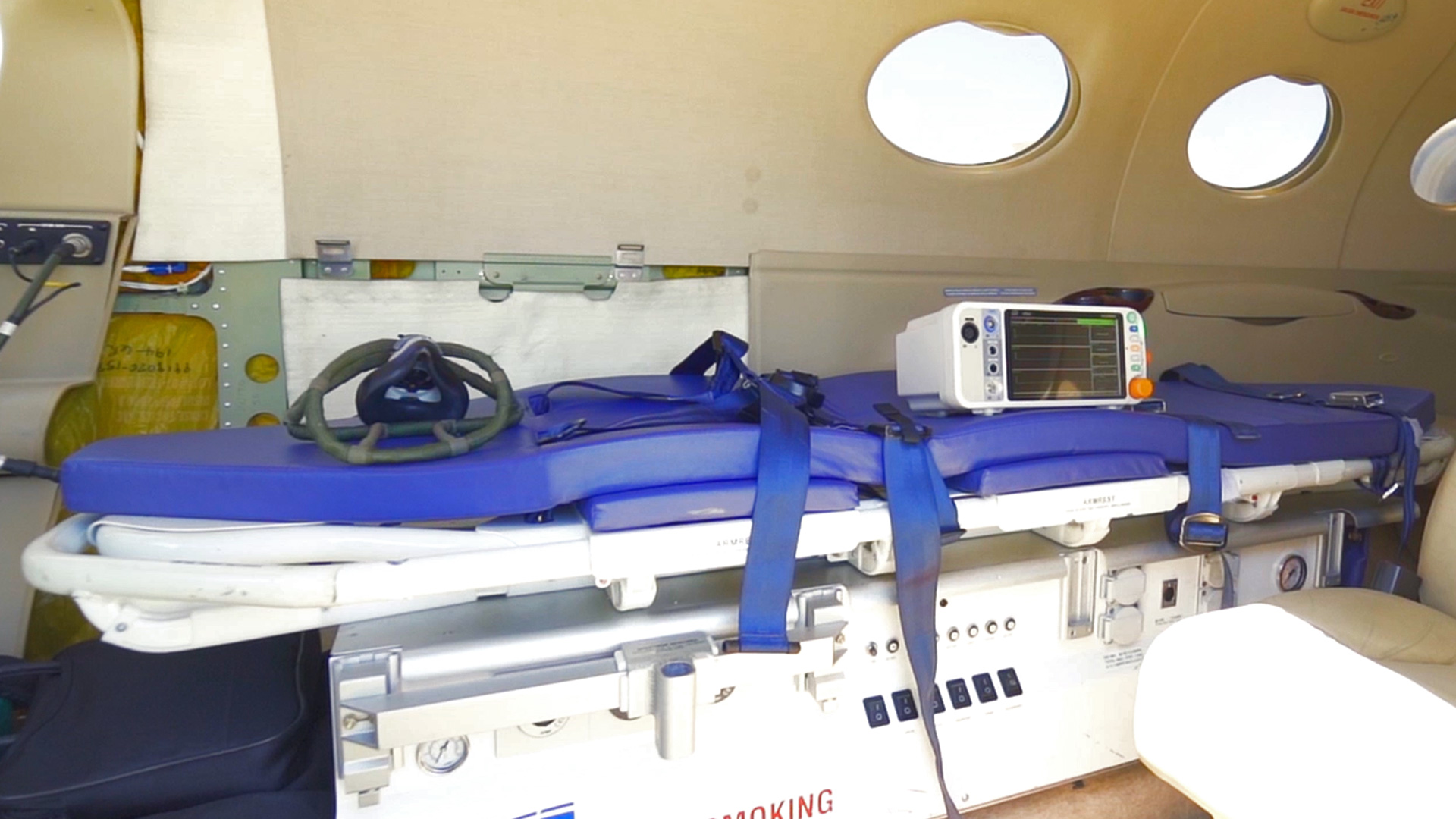
Specialized medical flights do more than transport patients from one point to another: they include constant monitoring of vital signs, ventilatory support, and administration of critical medications by trained medical personnel, available to intervene in any emergency during the flight. This continuity of care is especially important in severe cases, where any delay can directly affect the patient’s clinical outcome.
Beyond specialized care, medical flights allow full coordination of the international transfer process, including flight permits, hospital coordination, and ground transport. This ensures that patient care remains continuous from the point of origin to the destination hospital, reducing risks associated with layovers or multiple transfers.
Beyond logistics, these flights provide privacy and comfort, factors that influence recovery. Cabins are designed so that doctors and nurses can work efficiently, while the controlled environment minimizes stress and exposure to additional risks. For high-profile or sensitive patients, it is common to have security personnel on board during the transfer, ensuring confidentiality and protection at all times.
Aircraft such as the Cessna Citation Mustang, used in medical aviation, combine cruise speed, efficient range, and a cabin adapted for intensive care, allowing patients to be transferred safely even on intercontinental flights. The combination of planning, medical teams, and specialized logistics helps optimize safety and care throughout the transfer.
In summary, when dealing with critical emergencies, choosing a specialized medical flight makes a difference: it is not just transport, but continuous medical attention, safety, control, and comprehensive care throughout the journey. Industry data show that this approach significantly increases the likelihood that the patient receives continuous care and critical support, becoming a key element in the management of complex international transfers.
Industry Sources and References
- AAMS – Association of Air Medical Services
- EBAA – European Business Aviation Association
- International SOS – medical evacuation statistics
